
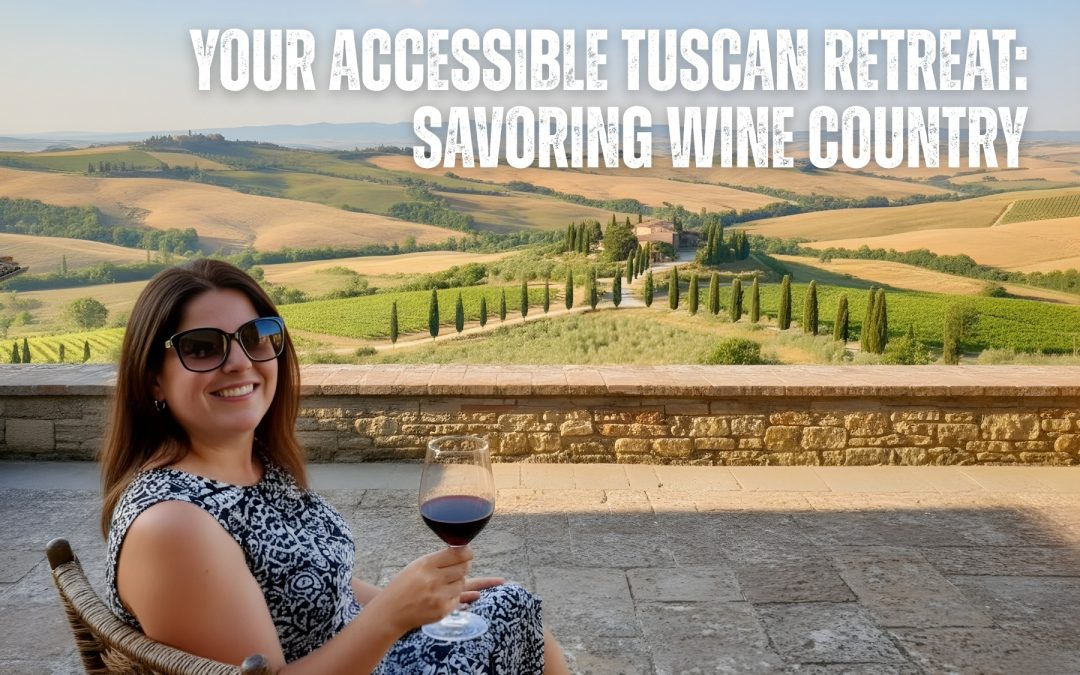
Ah, Tuscany! Just the name conjures images of rolling hills draped in vineyards, ancient olive groves shimmering under the golden sun, and medieval villages perched majestically atop gentle rises. It’s a dream destination for many, and rightly so. For savvy travelers over 50, the allure of Tuscany’s wine country is particularly strong – a chance to indulge in exquisite food and wine, immerse in centuries of art and history, and simply *be* in one of the world’s most beautiful landscapes.
But let’s be real, a Tuscan adventure often comes with visions of cobblestone streets, winding paths, and perhaps a few too many stairs. The good news? You absolutely can experience the heart of Tuscany’s wine region with comfort and ease! The key is finding the perfect accessible retreat, whether that’s a chic boutique hotel in a vibrant historic center or a serene agriturismo nestled deep in the countryside. Forget the notion that accessibility means compromising on charm; in Tuscany, it simply means smarter planning for an even richer, more relaxing escape.
Charming Accessibility: Boutique Hotels in Tuscany’s Historic Gems
For those who love the buzz of town life, with cafes, shops, and cultural sites just a short stroll away, Tuscany’s historic centers offer a delightful array of accessible boutique hotels. These are often smaller, more personalized establishments that have thoughtfully adapted to welcome all guests, ensuring you can dive into local life without a hitch. The trick is to seek out locations that balance historic charm with practical navigation.
Florence: Renaissance Grandeur, Wheelchair-Friendly Paths
Florence, the undisputed cradle of the Renaissance, makes for a fantastic base, especially since many of its central areas are relatively flat and pedestrian-friendly once you’re in the heart of things. Imagine stepping out of your hotel and being just moments from masterpieces, bustling markets, and world-class dining. Many hotels here, even those housed in historic buildings, have embraced accessibility with gusto.
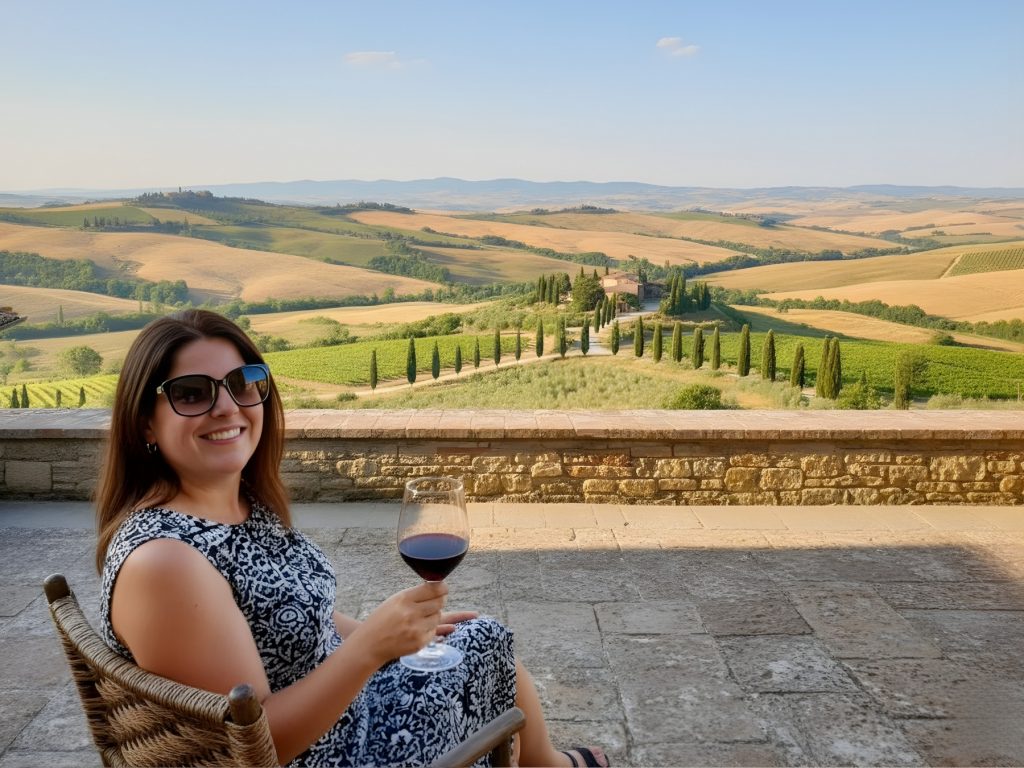
Look for boutique hotels offering essential features like elevators to whisk you effortlessly to your room. Accessible rooms typically boast wider doorways for easy maneuverability and bathrooms designed for comfort and safety. This means you can often find roll-in showers with built-in or portable seats, grab bars strategically placed near the toilet and shower, and sometimes even comfort-height toilets. Imagine a spacious, elegantly appointed room with traditional Florentine decor, perhaps overlooking a quiet courtyard or a charming street, complete with modern comforts like air conditioning and Wi-Fi.
While prices can vary wildly, you can expect to find accessible boutique hotels in Florence ranging from approximately $150 to $400+ per night, depending on the season and luxury level. An average price for an accessible hotel in Tuscany is around $166 per night.
Siena: Medieval Majesty with Modern Comforts
Siena, with its iconic Piazza del Campo and captivating medieval cityscape, is another excellent choice for a cultural immersion. While Siena is a “hill town,” its central areas are quite manageable, and local buses or carefully planned routes can help navigate the inclines. Staying in an accessible hotel within or very close to the historic core means you’re never far from the action.
Seek out properties that prioritize ground-floor rooms or reliable elevators to ensure smooth access. Accessible bathrooms, as always, are a must, featuring roll-in showers or low-threshold entry, grab bars, and ample space. After a day exploring Siena’s stunning Duomo or sipping a Negroni in the Piazza, retreating to a comfortable, barrier-free room is pure bliss. Some accessible hotels might even offer beautiful views of the surrounding Sienese countryside from their accessible rooms.
San Gimignano & Montepulciano: Towering Views, Thoughtful Stays
For those dreaming of quintessential Tuscan hill towns, San Gimignano and Montepulciano offer unique charms. San Gimignano, famous for its medieval towers, can be hilly, but several accessible hotels exist within or very near the town, providing ground-floor rooms or elevator access, and accessible bathrooms. Many rooms in these hotels offer breathtaking panoramic views of the surrounding vineyards and olive groves.
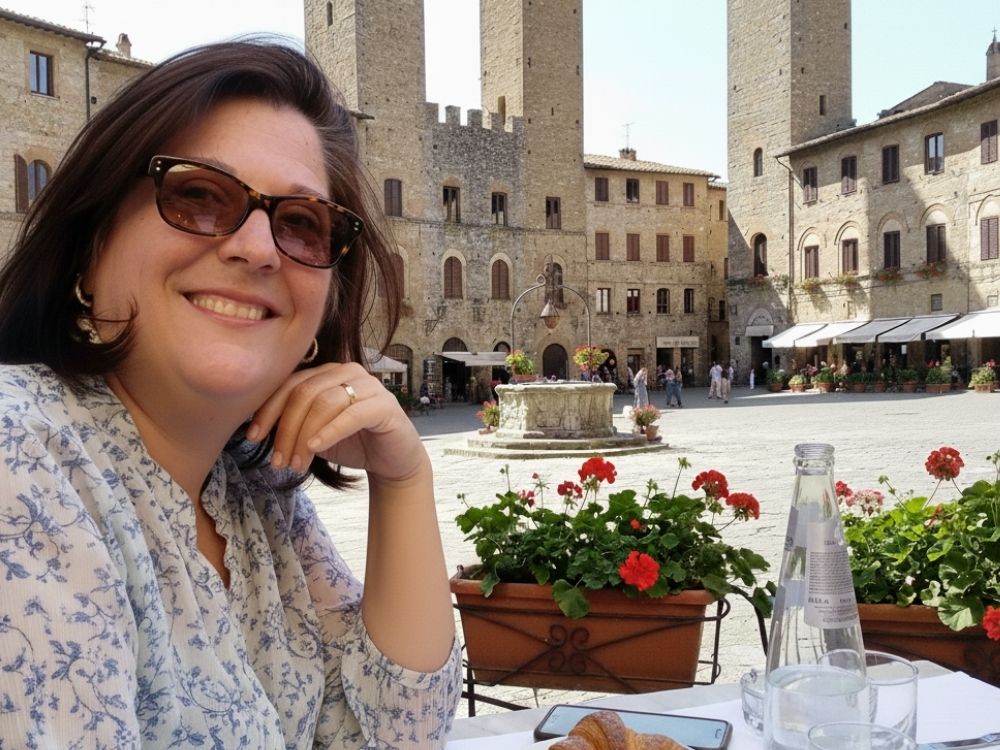
Montepulciano, renowned for its Vino Nobile, also presents options that cater to seniors. While the town itself has inclines, accessible hotels often boast features like elevators, accessible rooms with large showers, and comfortable king-size beds. Some even provide stunning 360-degree views from their hilltop locations. It’s about choosing a hotel that specifically caters to your needs, often found slightly outside the immediate, steepest core, but still within easy reach.
Lucca & Pienza: Flat Delights in Wine Country
If the thought of hills gives you pause, then the enchanting city of Lucca and the picturesque town of Pienza should be at the top of your list. Lucca, a completely flat walled city, is a dream for those with mobility concerns. You can easily stroll or even rent a three-wheel cycle to ride atop its broad Renaissance walls, offering unparalleled views of the city and surrounding countryside. Hotels here are often very accommodating, with good accessibility within their historic confines.
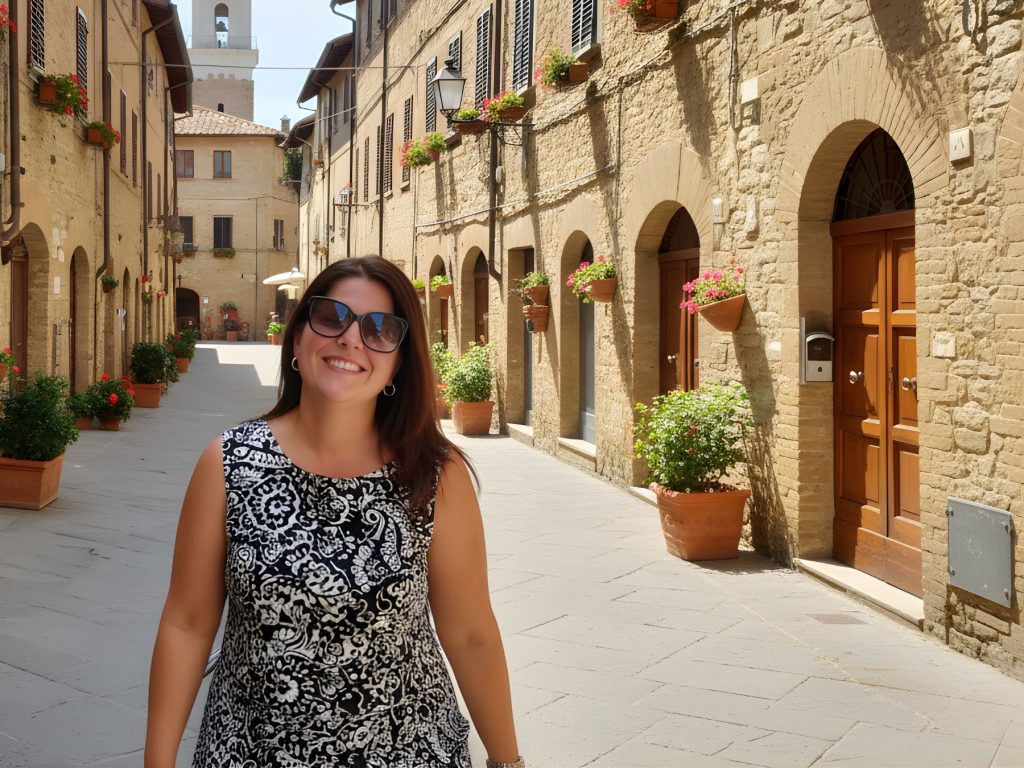
Pienza, often called the “cheese capital of the world,” is another gem with a largely flat, pedestrian-friendly town center, making it wonderfully easy to navigate. Imagine unhurried explorations of its charming streets, sampling pecorino cheese, and soaking in the stunning Val d’Orcia vistas. Accommodations in both Lucca and Pienza typically offer standard accessible features, ensuring a comfortable stay in these delightful, less strenuous locations.
The Soul of Tuscany: Accessible Agriturismi & Countryside Escapes
For many, the true heart of Tuscany lies in its countryside – the serene landscapes, the farm-to-table culinary experiences, and the tranquil pace of rural life. An agriturismo, a working farm that offers accommodation, provides an authentic and deeply immersive experience. And yes, many agriturismi are beautifully equipped to welcome senior travelers seeking peace and quiet without sacrificing accessibility.
What is an Agriturismo?
Simply put, an agriturismo is a farm stay. It’s a chance to connect with the land, enjoy fresh, often organic produce straight from the source, and experience genuine Tuscan hospitality. Many produce their own wine, olive oil, or other local specialties, offering guests a taste of authentic rural life. They range from rustic charm to luxurious estates, all while maintaining that essential connection to agriculture.
Finding Your Accessible Farm Stay
When seeking an accessible agriturismo, the focus shifts slightly from urban hotels. Here, you’ll want to look for properties with ground-floor apartments or rooms, minimizing the need for stairs. Key features include wide doorways, ample maneuvering space within rooms, and, crucially, accessible bathrooms with roll-in showers, grab bars, and comfort-height toilets.
Many accessible agriturismi also boast flat or gently sloped outdoor paths, allowing you to wander through vineyards or olive groves and enjoy private gardens equipped with tables and chairs. Imagine waking to the sounds of nature, enjoying a homemade breakfast on a terrace with panoramic views, and spending your days exploring the farm or simply relaxing by a pool designed with accessible entry.
Regions like Chianti, Val d’Orcia, and areas around Montalcino are particularly rich in agriturismi, many of which are adapting to become more inclusive. You might find a charming farmhouse with a ground-floor apartment, featuring terracotta floors, exposed wooden beams, and a fully equipped kitchen. Some even offer cooking classes right on site, a delightful way to experience Tuscan cuisine firsthand.
The pricing for accessible agriturismi can vary widely based on location, amenities, and level of luxury. Budget-friendly options might start around $120-$175 per night, offering essential amenities and an authentic farm experience. Mid-range agriturismi, providing more comfort, on-site dining, and perhaps a swimming pool, typically fall between $200-$375 per night. For a truly luxurious farm stay experience, prices can start from $480+ per night. These larger estates often provide more comprehensive accessible facilities, including spas and expansive, well-maintained grounds.
Navigating Tuscany with Ease: Beyond Your Stay
Once your perfect accessible base is secured, it’s time to think about exploring. Tuscany is incredibly rewarding for senior travelers when approached with thoughtful planning.
Accessible Transportation
While renting a car offers unparalleled flexibility, especially in the countryside, it’s not the only option. Many reputable companies offer private drivers and accessible vans, providing comfortable, stress-free transfers and personalized tours. This can be a fantastic way to navigate between towns and wineries without worrying about parking or driving on unfamiliar roads. For exploring larger towns like Florence or Siena, regional train and bus networks often offer accessible routes, allowing you to experience local life. Always check specific routes and schedules for accessibility details.
Accessible Wine Tours & Activities
Tuscany is, after all, wine country! Many wineries are increasingly welcoming to senior visitors, offering tours and tastings with accessible facilities. Look for tours designed with “Easy” to “Moderate” activity levels, often including van support between sites and plenty of rest stops. Imagine a private wine tasting at a Chianti vineyard, followed by a leisurely lunch featuring local delicacies.
Beyond wine, consider a hands-on cooking class focusing on a few key Tuscan dishes, or even a unique truffle-hunting adventure with a trained dog and guide. Many museums in major cities also provide audio guides, allowing you to explore at your own pace and delve deeper into the region’s rich history and art.
Pacing & Planning
The true secret to a successful senior-friendly trip to Tuscany is embracing the “slow travel” philosophy. Italy, and Tuscany in particular, rewards unhurried exploration. Balance activity days with rest days, and avoid over-scheduling. The best times to visit for mild weather and fewer crowds are spring (April to May) and fall (September to October), when temperatures are pleasant, usually around 68-77°F (20-25°C). This allows for comfortable walks and more relaxed sightseeing.
Conclusion
Tuscany awaits, and with a little thoughtful planning, it can be an accessible and profoundly enriching experience for senior travelers. From the historic elegance of Florence’s boutique hotels to the serene beauty of a countryside agriturismo, comfort and convenience are increasingly at the forefront of Tuscan hospitality. So, pack your bags, embrace the charm, and prepare to savor every moment of your accessible Tuscan retreat – because the magic of Italy knows no age limits.
5 Insider Tips for Senior Travelers
- Embrace the “Slow Travel” Philosophy: Tuscany is not a checklist destination. Allow yourself the luxury of lingering over a coffee in a piazza, taking a longer-than-planned detour down a scenic road, or simply enjoying the view from your accommodation. Italy rewards those who take their time.
- Footwear is Your Best Friend: Forget fashion for a moment; comfortable, supportive shoes are an absolute non-negotiable. Tuscan cobblestones are charming but unforgiving! A good pair of walking shoes with excellent arch support will save your feet and ensure you can enjoy every stroll.
- Communicate Your Needs Clearly (and Early!): Don’t be shy about asking specific questions about accessibility when booking. While many hotels and agriturismi list “accessible rooms,” features can vary. Call ahead, confirm details about roll-in showers, grab bar placement, bed height, and elevator access to ensure your comfort.
- Consider Private Transfers & Guided Tours: For seamless travel and deeper insights, especially between towns or to specific wineries, private drivers and small-group accessible tours are worth the investment. They reduce stress, offer flexibility, and provide expert guidance, allowing you to relax and soak in the experience.
- Travel Insurance is a Must: For peace of mind, comprehensive travel insurance is essential. It covers unforeseen medical emergencies, trip cancellations, and lost luggage, ensuring that any bumps in the road don’t derail your golden getaway.