
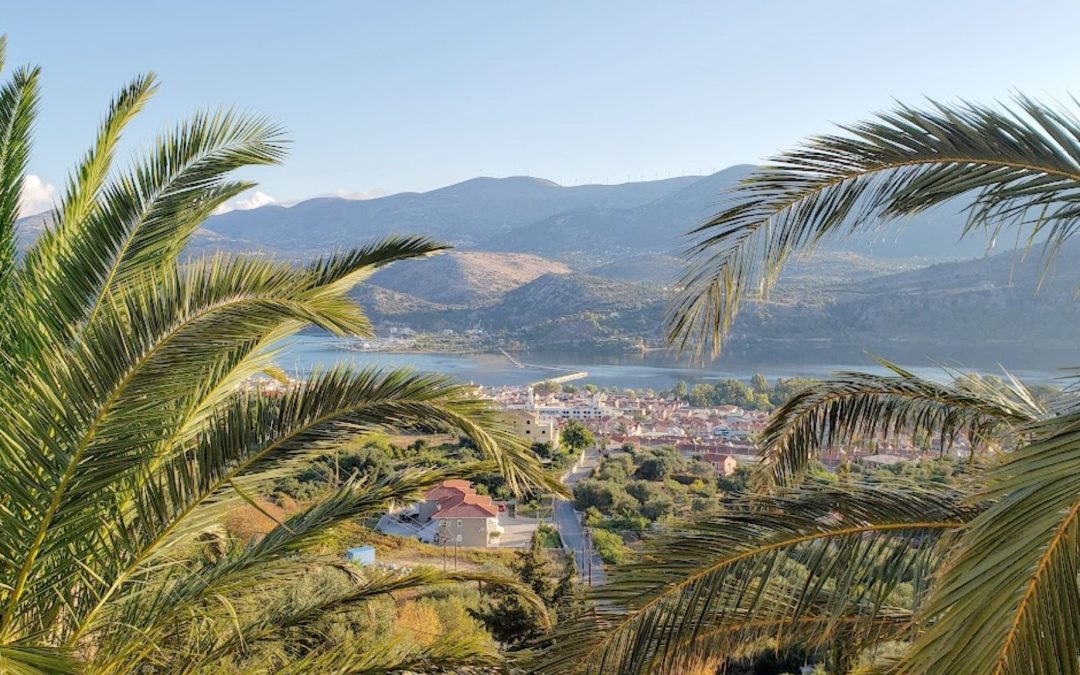
Hello, fellow adventurers! Are you dreaming of a Greek island escape, but the thought of jostling through crowds in Santorini or Mykonos makes your knees ache just a little? Excellent! You’ve come to the right place. As your seasoned travel companion, I’m here to whisper sweet secrets about Greece’s less-trodden paths – islands where tranquility reigns, authenticity thrives, and your idea of a perfect day involves a quiet beach, a delicious meal, and perhaps a good book under an olive tree. Forget the hustle; we’re seeking serenity. This isn’t just about avoiding the masses; it’s about *discovering* the true heart of Greece at a pace that allows you to savor every moment.
Choosing Your Tranquil Haven: Islands Off the Beaten Path
Greece boasts thousands of islands, but only a fraction get all the limelight. For us savvy travelers over 50, the real magic lies in those hidden gems, often overlooked but rich in character, natural beauty, and a welcoming, unhurried atmosphere. These are places where local life unfolds organically, and a simple “kalimera” can spark a friendly conversation.
Kefalonia: The Majestic Isle of Natural Wonders
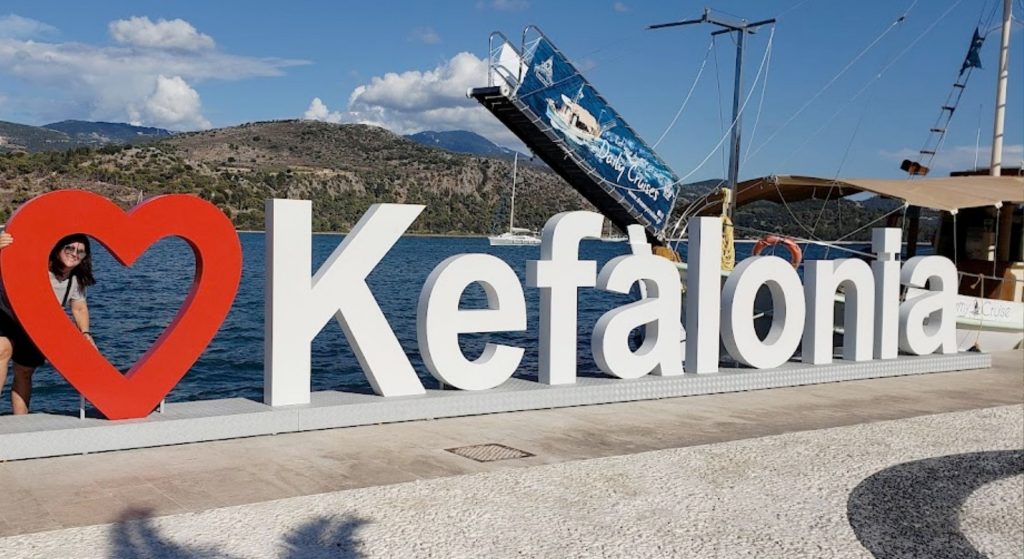
For those seeking dramatic landscapes paired with authentic Greek charm, Kefalonia stands as the Ionian Sea’s crown jewel. This lush, mountainous island captivates visitors with its extraordinary diversity—from the otherworldly beauty of Myrtos Beach, consistently ranked among Europe’s most stunning shores, to mysterious underground lakes like Melissani Cave where sunlight dances on crystalline waters. The island is large enough to offer variety yet remains wonderfully unspoiled, with traditional villages perched on hillsides and centuries-old monasteries overlooking verdant valleys.
Kefalonia rewards those who embrace a gentle pace of exploration. Spend mornings discovering hidden coves along the Paliki Peninsula, afternoons savoring Robola wine at family-run vineyards, and evenings watching sunset from charming Fiscardo’s harbor. The island’s towns—particularly Argostoli and Assos—blend Venetian architecture with warm hospitality, offering excellent tavernas serving local specialties like kreatopita (meat pie) and fresh catch from local fishermen. While more developed than tiny islets, Kefalonia maintains its authentic character. Comfortable hotels and traditional guesthouses range from $90-$180 (approx. €85-€170) per night, with car rental highly recommended for exploring this diverse paradise.
Naxos: The Cyclades’ Best-Kept Secret
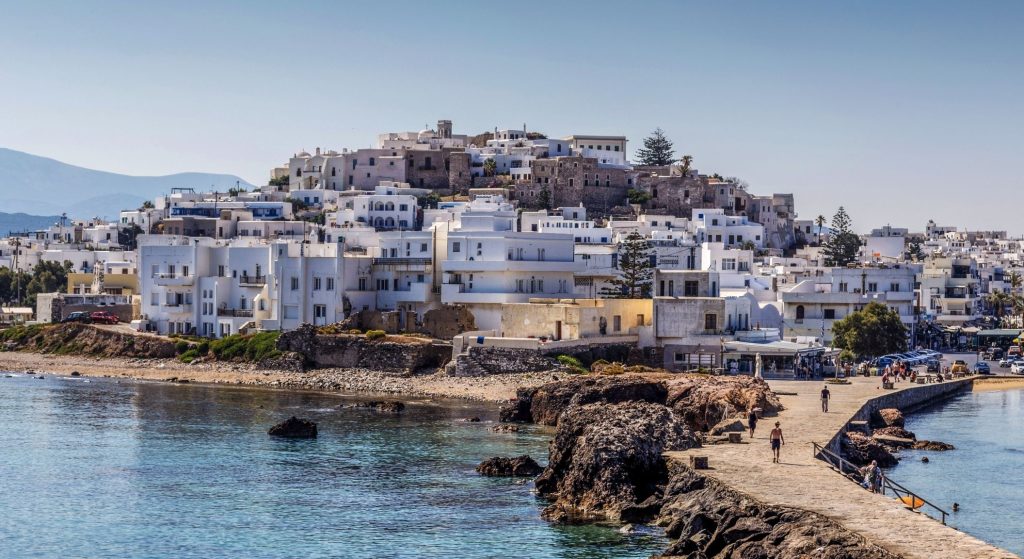
For travelers who want it all—stunning beaches, ancient history, mountain villages, and culinary excellence—without the crowds of Santorini or Mykonos, Naxos delivers magnificently. As the largest Cycladic island, Naxos offers a rare combination: endless stretches of golden sandy beaches along the western coast (Agios Prokopios and Plaka are simply sublime), marble-quarried mountains dotted with timeless villages, and archaeological treasures including the iconic Portara gateway standing sentinel over Chora’s harbor. It’s an island where you can swim, hike, explore Byzantine churches, and sample world-class cheeses all in a single unhurried day.
Naxos is ideal for mature travelers seeking substance beyond postcard-perfect sunsets. The island’s interior villages like Apiranthos and Halki reveal authentic Cycladic life, with stone-paved lanes, artisan workshops, and family tavernas serving arseniko cheese and citron liqueur made from centuries-old recipes. Chora itself is a delight—a working town with Venetian castle quarters, vibrant markets, and waterfront dining. The pace is relaxed, prices reasonable, and locals genuinely welcoming. Accommodation ranges from beachfront studios to traditional tower houses, typically $85-$160 (approx. €80-€150) per night. With excellent bus service connecting beaches and villages, it’s perfectly accessible without constant driving.
Koufonisia (Pano Koufonisi): The Tiny Paradise
For those who dream of an island where walking or cycling is the primary mode of transport, and beaches are literally around every corner, Pano Koufonisi is your idyllic escape. This tiny island in the Small Cyclades group is an absolute gem, renowned for its dazzling turquoise waters and golden sandy beaches. It’s so small that you can circumnavigate most of it on foot in a day, discovering a new stunning cove at every turn.
Koufonisia is perfect for a truly relaxing beach holiday. Days here unfold lazily, moving from one irresistible beach like Fanos or Italida to another, punctuated by fresh seafood lunches. The main village, Chora, is charming and compact, offering a handful of tavernas and cafes overlooking the harbor. It’s a place to disconnect, swim in incredibly clear waters, and simply *be*. While small, it does attract a loyal following, so booking ahead is wise. Expect to find comfortable studios or apartments for around $80-$130 (approx. €75-€120) per night.
Unearthing Serene Shores & Authentic Flavors
Now that we’ve got a few tranquil havens in mind, let’s talk about how to truly immerse ourselves in their beauty – from finding that perfect patch of sand to savoring the most delicious local dishes.
Secluded Beaches: Your Private Slice of Paradise
The joy of these islands is that “secluded” doesn’t necessarily mean “hard to reach.” On islands like Kefalonia and Naxos, many beautiful beaches are accessible by car or a short bus ride, then a gentle stroll. Look for beaches slightly away from the main towns or ports. Often, the best ones are signposted simply, or you might discover them by asking a local.
Imagine the dramatic beauty of Petani Beach in Kefalonia, with its stunning turquoise waters framed by towering white cliffs – perfect for a leisurely swim in pristine conditions. Or the endless golden sands of Plaka Beach in Naxos, where you can walk for what feels like miles with gentle, shallow waters ideal for relaxed swimming. These aren’t beaches with thumping music or endless rows of sunbeds; they’re natural havens where you can truly unwind, perhaps with just a humble beach umbrella and a good book. Don’t be afraid to rent a small car for a day to explore more remote coves like Kefalonia’s Foki Beach or Naxos’s Alyko, or inquire about local boat tours that visit otherwise inaccessible beaches – often a fantastic value and a memorable experience.
Tavernas & Tastes: A Culinary Journey for the Soul
One of the greatest pleasures of Greece is its food, and in these authentic islands, you’ll find genuine flavors on every plate. Forget the tourist traps; here, the tavernas are often family-run, serving recipes passed down through generations, using fresh, local ingredients.
How to find them? Wander! Eschew the places with glossy menus in multiple languages. Look for places where locals are gathered, especially outside of peak dining hours. A handwritten menu (or no menu at all, with the proprietor describing the day’s fresh catches) is a good sign. Don’t be shy about peeking into the kitchen if it’s visible, or asking to see the fresh fish on ice.
In Kefalonia, you might find delicious kreatopita (meat pie), local Robola wine, or fresh fish caught in the Ionian waters. In Naxos, seek out arseniko cheese, a local specialty, or traditional rakomelo (warm honey-raki drink) in the mountain villages. And naturally, fresh fish and seafood are king on both islands – grilled octopus, fried calamari, or a simple grilled fish often caught that very morning.
A typical, generous meal at an authentic taverna, including a starter, main course, and a glass of local wine, will likely cost you around $20-$35 (approx. €18-€30) per person. Prices will vary, of course, with fresh fish generally being a bit more. But the value, in terms of quality and experience, is exceptional.
Peaceful Villages: Stepping Back in Time
Beyond the beaches, the heart of these islands often lies in their villages. These aren’t just collections of houses; they are living communities where tradition is palpable. Strolling through the winding alleyways beneath Kefalonia’s Assos fortress, with its pastel-colored Venetian houses cascading down to the harbor, feels like stepping into a painting. In Naxos, the marble-paved lanes of Apiranthos or the historic Kastro quarter of Chora offer glimpses into centuries of island life. Even the charming fishing village of Fiscardo in Kefalonia, with its waterfront tavernas and preserved architecture, exudes a gentle, timeless charm.
Take your time. Stop for a Greek coffee (a “frappe” if you like it cold, or “elliniko” for a traditional hot brew) at a local kafeneio. Watch the village elders playing backgammon. Admire the architecture, the vibrant splashes of bougainvillea, and the simple beauty of everyday life. These moments of quiet observation are often the most memorable.
Crafting Your Ideal Island-Hopping Itinerary
For the over 50 explorer, a successful island-hopping strategy isn’t about packing in as many islands as possible. It’s about quality over quantity, allowing ample time to truly settle into each place.
Pacing is Everything
Resist the urge to move every two days. Aim for a minimum of 3-4 nights on each island. This allows for travel days, a full day to explore, a beach day, and a day for pure relaxation or revisiting a favorite spot. Remember, the goal is serenity, not a marathon.
Seamless Ferry Travel
Ferry travel in Greece is generally efficient and a wonderful part of the experience. Major ferry companies like Blue Star Ferries, Hellenic Seaways, and Seajets connect the islands. For Naxos, you’ll find excellent ferry connections from Athens (Piraeus port) and neighboring Cycladic islands. For Kefalonia, ferries connect from mainland ports like Kyllini and Patras, as well as from nearby Ionian islands like Ithaca and Zakynthos.
Booking: It’s wise to book ferry tickets online in advance, especially during the shoulder seasons (May-June, September-October) when these islands are at their best. Sites like Ferryhopper or the individual ferry company websites are easy to use.
Types of Ferries: High-speed catamarans (like Seajets) are faster but can be more expensive and sometimes bumpier. Conventional ferries (like Blue Star Ferries) are slower, often more stable, and usually have outdoor deck space, which is lovely for enjoying the sea breeze.
Costs: Ferry prices vary significantly by distance, speed, and class. A standard economy ticket from Athens to Naxos might be around $40-$70 (approx. €37-€65). For Kefalonia, ferry crossings from the mainland typically cost $12-$25 (approx. €11-€23) for passengers, with additional fees for vehicles. Consider splurging on an airplane-style seat for longer journeys for added comfort.
Accommodation: Your Home Away From Home
On these islands, you’ll find charming guesthouses, family-run studios, and boutique hotels that offer a more personal, authentic experience than large resorts.
What to Look For: In Kefalonia, prioritize locations in charming towns like Fiscardo, Assos, or near beautiful beaches if you prefer seaside tranquility. In Naxos, staying in or near Chora gives easy access to tavernas and amenities, while beachfront accommodations along Agios Prokopios or Plaka offer direct sand access. Look for places with good reviews regarding cleanliness, comfortable beds, and a friendly host. Air conditioning is a must in summer, and a balcony or terrace with views is a lovely bonus.
Booking: Use reputable sites like Booking.com, Airbnb, or directly contact hotels via their websites. Booking in advance is always recommended, particularly for unique or popular spots during peak season.
Costs: Expect to pay anywhere from $85-$180 (approx. €80-€170) per night for good quality, comfortable accommodation on these islands during the shoulder season. Prices can be lower in the off-season (April, late October) and slightly higher in peak August.
Conclusion
So, there you have it, my discerning traveler friends! Greece’s captivating islands of Kefalonia and Naxos are waiting, offering a tapestry of stunning beaches, authentic flavors, and peaceful villages, all at a pace that allows you to truly relax and rejuvenate. This isn’t just a holiday; it’s an immersion into the soulful side of Greece, an opportunity to create cherished memories with space to breathe and explore. Pack your curiosity, a good book, and your most comfortable walking shoes, and prepare to discover the shores and mountain villages that will undoubtedly capture your heart. Kaló taxídi – happy travels!
5 Insider Tips for Senior Travelers
- Embrace the Art of Slow Travel: This is perhaps the most crucial tip. Don’t rush. Build in extra time for everything – getting to the ferry, enjoying a long meal, navigating a charming but winding village. The beauty of these islands is their unhurried pace; align your own rhythm with theirs.
- Pack Smart & Light: Cobblestone streets, ferry stairs, and small guesthouse rooms are not friends to oversized, heavy luggage. Opt for a rolling suitcase that’s easy to lift and maneuver, and consider packing cubes to maximize space. You’ll mostly need light clothing, swimwear, and comfortable walking shoes. A small daypack for essentials is invaluable.
- Prioritize Comfort Over Budget (Slightly): While these islands offer great value, sometimes a small splurge on an air-conditioned room with a good bed, a ferry seat upgrade for a longer journey, or a taxi instead of a longer bus ride is worth it for your comfort and peace of mind. Your well-being is paramount for enjoying the trip!
- Travel During the Shoulder Seasons: May-June and September-October are ideal. The weather is beautiful (warm but not scorching), the sea is perfect for swimming, and the islands are less crowded than in the peak of summer. You’ll find better prices on accommodation and a more authentic local experience.
- Stay Connected (and Prepared): While disconnecting is part of the charm, having a fully charged phone with local data is wise for navigation, checking ferry schedules, and emergencies. Carry a small first-aid kit with any essential medications, plasters for blisters, and basic pain relief. Inform family/friends of your itinerary and consider travel insurance that includes medical coverage.