

Welcome, fellow food enthusiasts and seasoned explorers! If you’re dreaming of an escape that tantalizes your taste buds without rushing your pace, then the sun-drenched island of Crete is calling your name. Forget hurried tours and packed itineraries; our journey through Crete’s culinary landscape is all about savoring every moment, every aroma, and every exquisite flavor at a comfortable, leisurely rhythm. Get ready to indulge in a truly authentic Greek experience, one delicious bite at a time.
The Heart of Cretan Cuisine: A Taste of Authenticity
Crete isn’t just an island; it’s a gastronomic paradise, deeply rooted in its ancient history and fertile land. What makes Cretan cuisine so unique, you ask? It’s a vibrant tapestry woven from the freshest local ingredients, ancient culinary traditions, and a generous splash of “filoxenia” – Greek hospitality. The secret ingredient in every dish, beyond the obvious fresh herbs and locally sourced produce, is the sheer passion and love with which it’s prepared and shared.
At the core of Cretan eating is the celebrated Mediterranean diet, renowned worldwide for its health benefits and incredible flavors. Expect an abundance of extra virgin olive oil – often considered liquid gold here – fresh vegetables, wild greens (horta), pulses, local cheeses, and succulent meats. Seafood, naturally, plays a starring role, pulled directly from the azure waters surrounding the island. This isn’t just food; it’s a way of life, a philosophy of eating well and living fully.
Unveiling Crete’s Culinary Jewels: Dishes to Delight
Prepare your palate for a parade of flavors that will linger long after your trip concludes. From rustic tavernas nestled in mountain villages to charming seaside eateries, each meal in Crete is an adventure.
The Iconic Dakos: A Crunchy Beginning
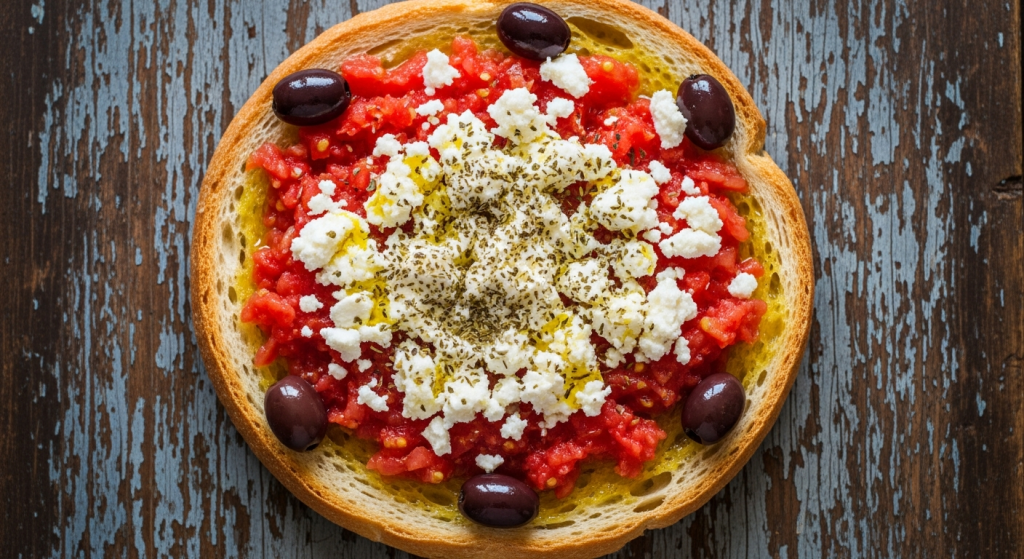
One of Crete’s most beloved appetizers, *Dakos*, is deceptively simple yet utterly delicious. Imagine a firm, twice-baked barley rusk (paximadi), slightly softened with a sprinkle of water or a drizzle of olive oil, then topped with grated ripe tomatoes, crumbled local feta or myzithra cheese, a generous swirl of exquisite extra virgin olive oil, and a dusting of oregano. It’s a symphony of textures and fresh flavors, a perfect introduction to the island’s earthy goodness. Often enjoyed with a glass of local wine, a *Dakos* can be a light lunch or a delightful starter.
Kalitsounia: Sweet or Savory Pockets of Joy
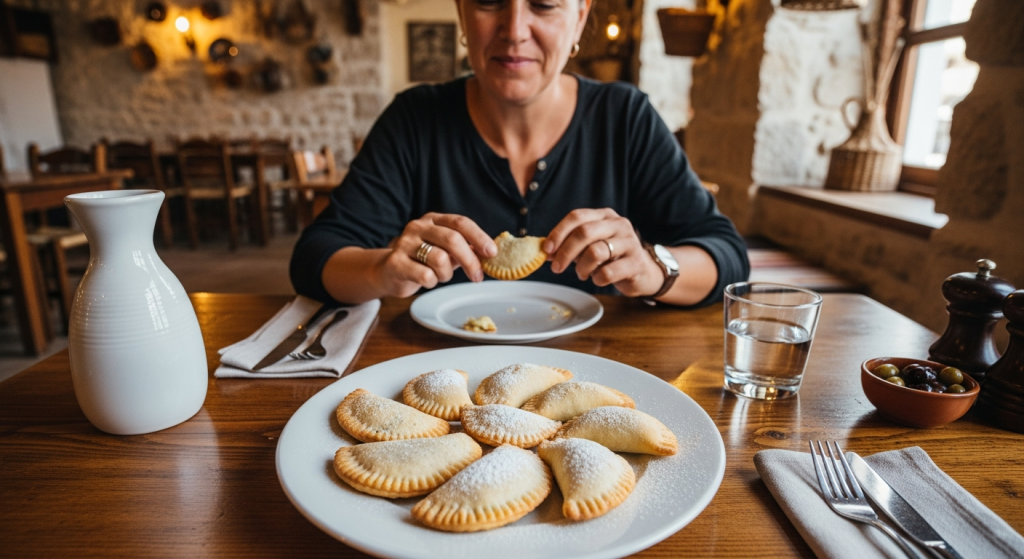
These delicate, often hand-crimped pastry parcels, known as *Kalitsounia*, are a testament to Cretan versatility. They come in both savory and sweet variations. The savory versions are typically filled with creamy, unsalted myzithra cheese and a hint of wild herbs, then baked or lightly fried to golden perfection. Sweet *Kalitsounia*, on the other hand, might feature the same soft cheese blended with honey or cinnamon, sometimes with a citrus zest, creating a delightful dessert or breakfast treat. Each bite offers a burst of local flavor, a culinary hug from the island itself.
Gamopilafo: A Celebration in a Bowl
While its name literally means “wedding pilaf,” you don’t need an invitation to a Cretan wedding to enjoy *Gamopilafo*. This rich, creamy rice dish is a staple at celebrations but also found in traditional tavernas. It’s cooked slowly in a fragrant meat broth (often lamb, goat, or rooster), enriched with stakovoutyro – clarified butter made from sheep’s or goat’s milk. The result is a profoundly comforting and deeply flavorful pilaf, each grain infused with the essence of the meat and butter. It’s hearty, satisfying, and utterly soul-warming, reflecting the island’s generous spirit.
Apaki: The Smoky Secret of Cretan Charcuterie
For meat lovers, *Apaki* is an absolute must-try. This traditional Cretan smoked pork is a true delicacy. Lean pork tenderloin is marinated for days in vinegar, then smoked over aromatic woods and herbs like sage, bay leaves, and rosemary. The result is a wonderfully tender, intensely flavorful cut of meat, often sliced thinly and served cold as an meze (appetizer) or lightly grilled. Its distinctive smoky, herbal notes make it a sophisticated addition to any tasting platter, perfect with a glass of *tsikoudia*.
Fresh from the Aegean: Seafood Sensations
Given its island status, it’s no surprise that Crete boasts an incredible array of fresh seafood. From grilled octopus, tender and smoky, to perfectly fried calamari, glistening whitebait (marides), and expertly prepared fresh fish like sea bass (lavraki) or snapper (fagri), the options are endless. Enjoying a seafood meal by the sea, with the gentle lapping of waves as your soundtrack, is an quintessential Cretan experience. Prices for fresh fish can vary widely depending on the type and weight, but a generous grilled octopus might cost around $18-25 (approx €17-23).
Liquid Gold and Local Spirits: The Cretan Drink Scene
Beyond its delectable dishes, Crete offers a fascinating world of beverages, from ancient wines to potent spirits, all deeply woven into the local culture.
Olive Oil: The Elixir of Life
It’s impossible to talk about Cretan food without dedicating a moment to its legendary olive oil. Crete produces some of the finest extra virgin olive oil in the world, a cornerstone of its diet and a source of immense local pride. You’ll find it generously drizzled over almost everything, from salads and *Dakos* to cooked vegetables and even grilled meats. Visiting an olive oil press or tasting various local varieties is a highly recommended experience. A bottle of high-quality local olive oil, perfect for bringing home, might cost around $10-15 (approx €9-14).
Cretan Wines: A Renaissance of Flavors
While Greece might be famous for retsina, Crete’s wine scene is a revelation, undergoing a vibrant renaissance. The island boasts indigenous grape varieties like Vidiano, Thrapsathiri, and Vilana for whites, and Kotsifali, Liatiko, and Mandilari for reds. These produce exceptional wines, from crisp, aromatic whites perfect for a warm afternoon to robust, full-bodied reds ideal with hearty meat dishes. Many wineries offer tastings and tours, allowing you to sample these unique varietals. Expect to pay around $25-40 (approx €23-37) for a good bottle of local Cretan wine in a restaurant.
Tsikoudia (Raki): The Spirit of Friendship
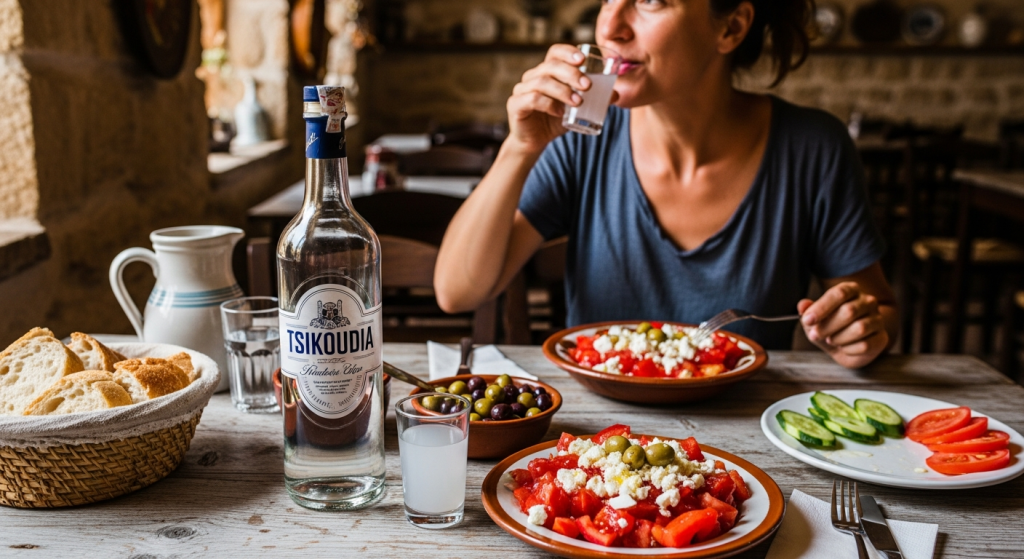
No visit to Crete is complete without experiencing *tsikoudia*, often simply called *raki*. This potent, clear grape distillate is the island’s signature spirit, served everywhere from humble tavernas to celebratory gatherings. It’s a symbol of hospitality, often offered as a welcome drink or a digestive after a meal, always on the house. Sip it slowly, savor its fiery warmth, and remember it’s meant to be enjoyed in good company, fostering conversation and friendship.
Culinary Adventures: Beyond the Taverna Table
To truly immerse yourself in Crete’s food culture, consider stepping beyond the traditional restaurant setting.
Explore Vibrant Local Markets
Wander through bustling local markets, particularly in cities like Chania or Heraklion. The sights, sounds, and aromas are intoxicating. Here, you’ll find farmers selling their freshest produce, local cheesemongers offering their unique creations, and stalls laden with fragrant herbs, honey, and olive oil. It’s an ideal place to interact with locals and discover the ingredients that form the backbone of Cretan cuisine. Remember to bring a reusable bag!
Embark on a Cooking Class
For a hands-on experience, consider joining a Cretan cooking class. These immersive sessions allow you to learn traditional recipes directly from local cooks, often in charming village settings. You’ll gather ingredients, prepare authentic dishes like *moussaka*, stuffed vegetables (*gemista*), or various pies, and then enjoy the fruits of your labor. It’s a fantastic way to deepen your understanding of the cuisine and take home some delicious skills. The cost for a half-day Cretan cooking class typically ranges from $80 to $130 (approx €75-120) per person.
Agritourism: Farm-to-Table in its Purest Form
For a truly gentle and enriching experience, seek out agritourism farms. Many working farms across Crete offer visitors the chance to participate in activities like olive harvesting, cheese making, or even bread baking. You can often enjoy meals prepared with ingredients grown on the farm itself, savoring the ultimate farm-to-table experience. These often include accommodation options, providing a serene escape into the Cretan countryside.
A Farewell Feast: Memories from Crete
As our gentle food journey through Crete comes to a close, you’ll carry with you not just memories of incredible flavors, but also a deeper appreciation for the island’s rich culture and the warmth of its people. From the simplicity of a perfect *Dakos* to the complexity of a fine Cretan wine, each culinary encounter tells a story – a story of ancient traditions, fertile lands, and the enduring spirit of hospitality. So, let your senses guide you, embrace the relaxed pace, and allow Crete to feed your body and soul. Kali Orexi! (Bon Appétit!)
5 Insider Tips for Senior Travelers
- Pace Yourself and Stay Hydrated: Crete’s charm invites exploration, but remember to take breaks, especially during the warmer parts of the day. Stay well-hydrated by drinking plenty of water, and consider a leisurely coffee break or a siesta.
- Comfortable Footwear is Key: Whether you’re strolling through ancient ruins, exploring charming villages, or browsing bustling markets, comfortable, supportive shoes are essential. Many historical sites and old town areas have uneven cobblestone streets.
- Embrace Late Dining: Cretans typically eat dinner later than in many Western cultures, often starting after 8:00 PM or 9:00 PM. Don’t feel pressured to conform; early dinners are perfectly acceptable. However, if you want to experience the vibrant evening atmosphere, ease into the local rhythm.
- Communicate Dietary Needs Clearly: While Greek cuisine is generally fresh and adaptable, if you have specific dietary restrictions or allergies, learn a few key Greek phrases (e.g., “χωρίς γλουτένη” for “without gluten,” “είμαι αλλεργικός σε” for “I am allergic to”) or have them written down. Most restaurants are very accommodating.
- Consider Guided Food Tours: A specialized food tour can be an excellent way to discover hidden gems and learn about local specialties from an expert guide without the hassle of planning. Many tours cater to smaller groups and a more relaxed pace, ensuring accessibility and comfort.